The Impact of Studio Filming Techniques on Betting Patterns in Wheel Game Broadcasts
Written by Yves Washington · Aug 20, 2026
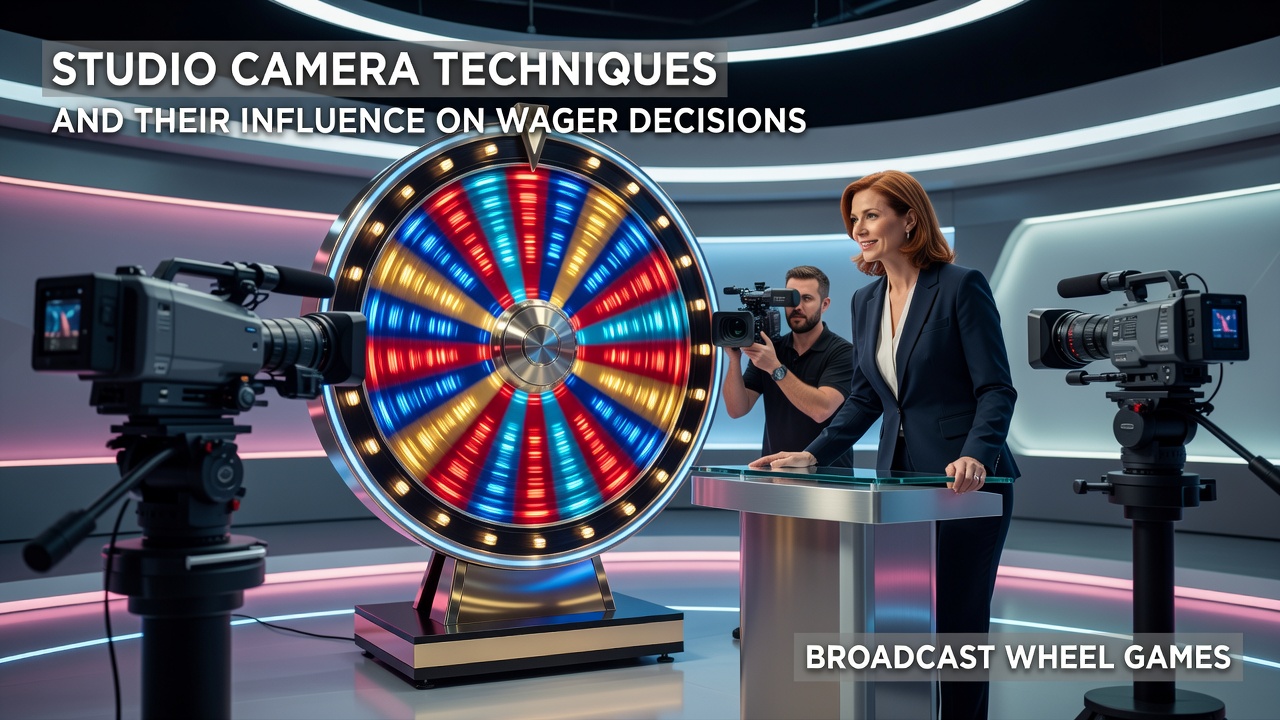
The Impact of Studio Filming Techniques on Betting Patterns in Wheel Game Broadcasts
Studio productions for wheel-based broadcast games rely on precise camera positioning to capture every rotation and landing of the wheel, and data from industry reports show these choices directly affect how viewers place their wagers during live segments. Multiple camera rigs positioned at different heights and distances create visual emphasis on specific wheel segments, while operators switch feeds in real time to highlight the ball's path or the wheel's deceleration.
Core Camera Configurations Used in Wheel Broadcasts
Fixed overhead cameras deliver a full view of the wheel surface, allowing audiences to track number sequences without obstruction, whereas side-mounted units with variable zoom lenses isolate individual pockets as the wheel slows, and broadcasters combine these angles through switchers that prioritize close-up shots during the final rotations. Production teams coordinate these elements so that the frame composition draws attention to high-payout areas or clusters of recent landings, and studies conducted by gaming research centers indicate such framing correlates with increased bet volume on those highlighted sections.
Lighting adjustments accompany camera movements, with directional spots reducing glare on metallic wheel surfaces while maintaining contrast on numbered pockets, yet operators must balance exposure settings because over-lit segments can obscure ball details and prompt viewers to shift wagers toward other visible outcomes. In August 2026, several European production facilities upgraded to 8K resolution feeds that capture finer surface textures, and these enhancements have expanded the range of visual cues available for wager timing decisions.
Viewer Response Patterns to Angle Shifts
Research compiled by the Nevada Gaming Control Board demonstrates that sudden transitions to extreme close-ups on the ball's trajectory increase the frequency of bets placed on adjacent numbers within the same wheel sector, while wider establishing shots that show the entire layout encourage selections spread across multiple quadrants. Producers time these switches to coincide with the wheel's natural slowdown phase, and the resulting visual rhythm appears to guide attention toward pockets that occupy the largest portion of the screen at critical moments.
Audio cues often accompany camera changes, with amplified wheel clicks synced to specific visual frames, and this multimodal presentation reinforces the perceived importance of certain outcomes. Observers note that viewers exposed to repeated slow-motion replays of past spins tend to favor numbers that appeared in those replays, even when probability calculations remain unchanged across the wheel.
Technical Evolution and Data Tracking
Modern studios integrate motion-tracking software that follows the ball automatically, freeing camera operators to adjust framing dynamically while the system maintains focus on the point of contact. This technology, adopted widely since 2024, generates timestamped logs of which angles receive the most airtime during each spin cycle, and analysts cross-reference these logs with betting data feeds to identify correlations between visual emphasis and wager clusters.
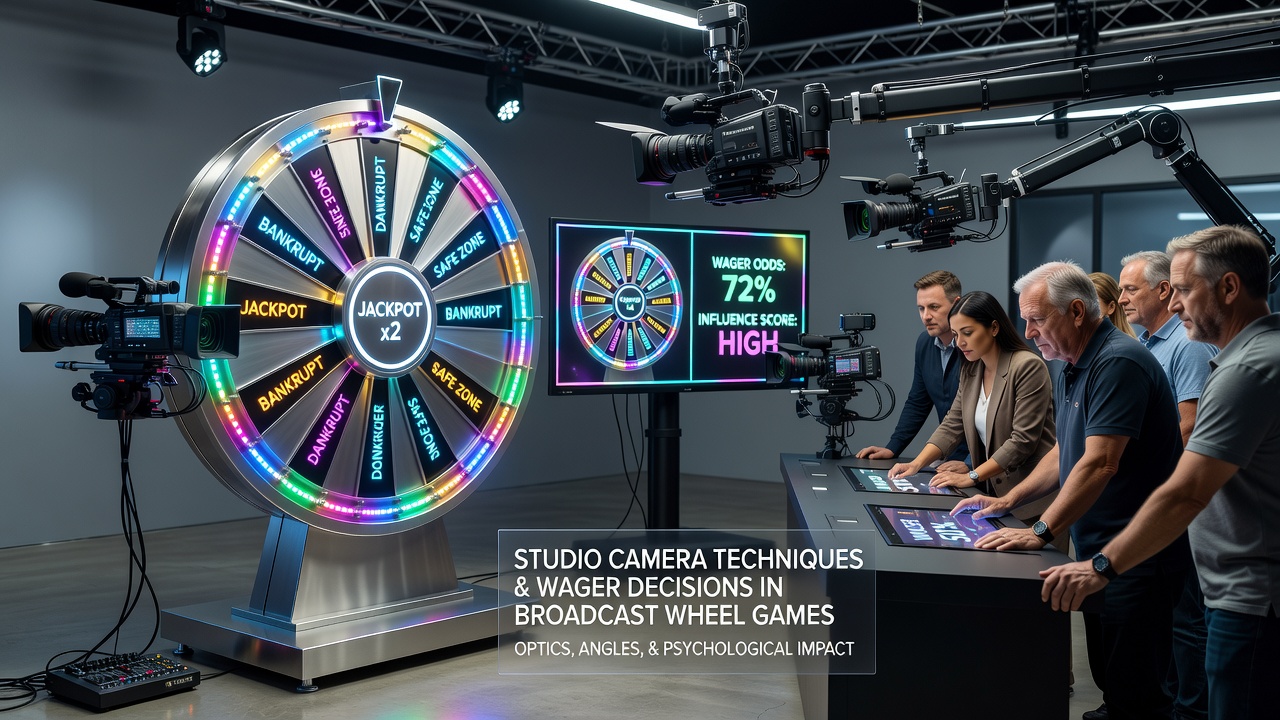
One production facility in Australia reported that implementing a dedicated overhead crane camera reduced average decision time between spins by 12 percent, because viewers gained clearer sightlines to all numbers simultaneously, and similar installations have since appeared in North American studios. Regulatory bodies in multiple jurisdictions require transparent disclosure of all camera feeds used in broadcasts, ensuring that no single angle receives preferential treatment without documentation.
Comparative Analysis Across Regions
Facilities operating under the oversight of the Alcohol and Gaming Commission of Ontario apply stricter guidelines on visual manipulation than some counterparts, requiring equal distribution of camera time across wheel sections, whereas productions licensed in other markets retain more flexibility in angle selection. Academic papers from the University of Nevada, Las Vegas examine how these regional differences translate into measurable variations in bet distribution, and the findings indicate that restricted camera practices lead to more uniform wagering patterns across number groups.
International collaborations between production companies have introduced standardized protocols for multi-camera synchronization, and these standards help maintain consistent viewer experiences regardless of the broadcast origin. Data collected during cross-border events show that synchronized feeds reduce viewer confusion and stabilize wager volumes on low-visibility numbers that might otherwise receive less attention under single-angle coverage.
Conclusion
Camera techniques in studio wheel game broadcasts function as active components in the wagering environment rather than passive recording tools, and ongoing technological refinements continue to expand their influence on viewer decision processes. Production teams balance visual clarity with regulatory requirements while tracking how each framing choice aligns with observed betting trends, and the resulting data sets inform future adjustments to both equipment placement and operational procedures. As resolution standards rise and tracking systems become more precise, the relationship between studio visuals and wager timing will likely grow more measurable across global markets.