Merkur Group Completes Acquisition of Leeds Casino and Revives Poker Operations
Written by Carlo Günther · Sep 14, 2026

Merkur Group Completes Acquisition of Leeds Casino and Revives Poker Operations
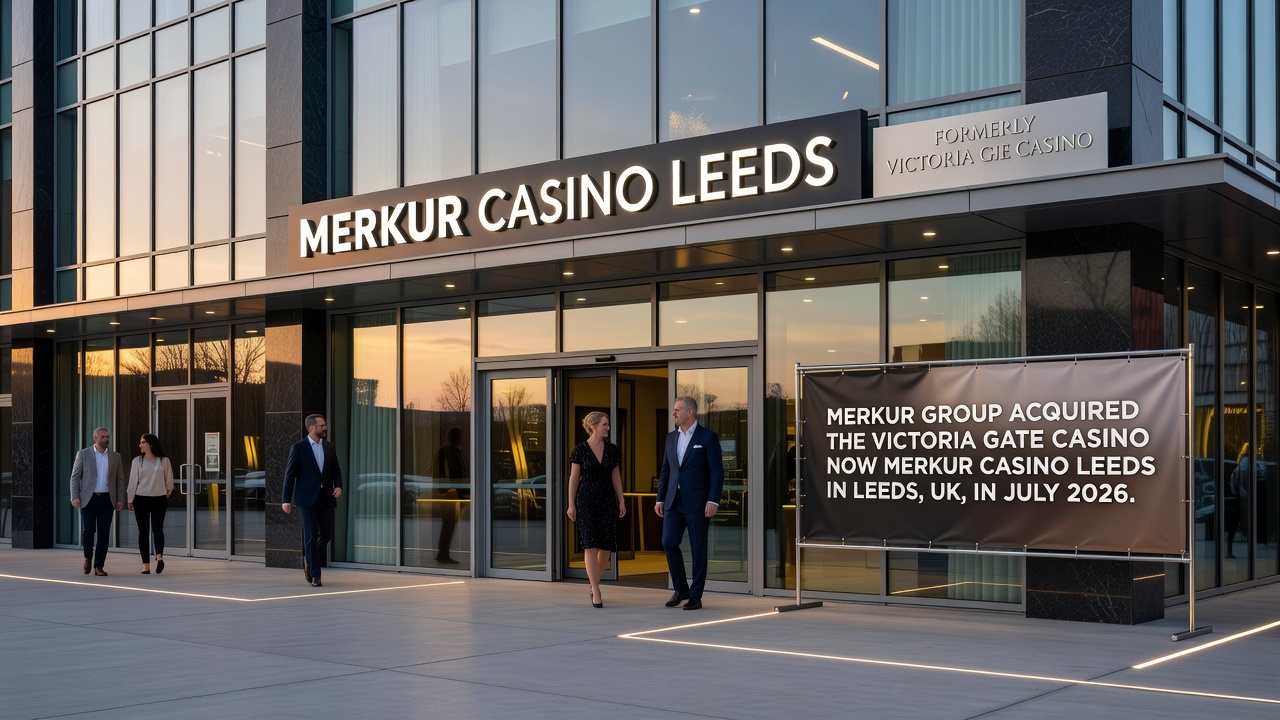
Merkur Group finalized its purchase of the Victoria Gate Casino in Leeds during July 2026, rebranding the property as Merkur Casino Leeds while committing resources to reopen a dedicated poker room that holds up to 100 players at capacity, and the move comes at a time when many other venues across major markets have reduced or eliminated similar facilities. The property includes 22 tables dedicated to blackjack and roulette alongside the poker offering, creating a mixed gaming environment that draws from both table game enthusiasts and poker specialists who had seen limited options in the region following earlier operational pauses.
Facility Details and Reopening Timeline
Observers note that the Leeds venue spans multiple floors with clear separation between the main gaming area and the poker section, allowing simultaneous play across different formats while staff manage table minimums and player flow throughout peak hours. The reopening process began after the July acquisition closed, with September 2026 marking the return of regular poker tournaments and cash games that had been suspended under prior management, and reports indicate initial player turnout exceeded expectations during teh first week of resumed operations.
Those who track regional casino developments point out that the 100-seat poker room features standard configurations for Texas Hold'em and Omaha variants, supported by dealers trained to handle both casual sessions and structured events that run several times each week. The integration of the 22 blackjack and roulette tables nearby creates opportunities for players to switch between game types without leaving the premises, something operators have cited as a way to retain visitors longer during extended stays.
Background on Ownership Transition
Previous ownership encountered regulatory license suspensions along with substantial financial losses that led to reduced hours and eventual closure of the poker facilities, yet the property retained its physical infrastructure and core staff expertise through the transition period. Merkur Group evaluated these challenges during due diligence and proceeded with the acquisition after outlining plans to address compliance requirements and restore full service levels across all table games. Data from the transaction shows the deal transferred ownership of the complete gaming license portfolio along with existing equipment and lease agreements tied to the Victoria Gate location.
Industry analysts reviewing the sale documents found that Merkur Group allocated specific capital toward refurbishing the poker area, including updates to lighting, seating, and surveillance systems that meet current operational standards. The financial recovery strategy focuses on steady table utilization rather than rapid expansion, with initial schedules emphasizing consistent daily hours and weekend tournaments designed to rebuild player loyalty gradually over the coming months.
Industry Context and Comparative Trends
While the Leeds reopening stands out, records from other jurisdictions show a pattern of poker room reductions, particularly in Las Vegas where multiple properties have consolidated or closed dedicated spaces in recent years according to figures released by the Nevada Gaming Control Board. Those studying these shifts attribute the changes to evolving player preferences and rising operational costs, yet the Merkur Casino Leeds decision demonstrates that localized demand can still support full-scale poker offerings when paired with complementary table games such as the 22 blackjack and roulette stations on site.
European operators tracking similar markets have referenced reports from the European Gaming and Betting Association that highlight varying regional outcomes, with some venues maintaining or expanding poker capacity while others streamline toward electronic alternatives. The Leeds example illustrates how new ownership can recalibrate services after periods of instability, especially when the incoming group brings established operational experience from other European locations.
Operational Adjustments Under New Management
Staffing levels at Merkur Casino Leeds have been adjusted to cover both the poker room and the broader table game floor, with cross-training programs ensuring dealers can rotate between formats during quieter periods. Management implemented updated scheduling software that balances tournament structures with open cash game availability, aiming to maximize table occupancy without overextending resources. Early performance metrics shared in industry briefings indicate stable foot traffic and consistent rake collection from poker play, supporting the decision to maintain the 100-player capacity rather than scale it back.
Security and compliance protocols received additional investment during the post-acquisition phase, addressing any lingering issues from the prior license suspensions while aligning with broader industry expectations for responsible gaming measures. The combination of blackjack, roulette, and poker under one roof allows the venue to serve overlapping customer segments, creating internal traffic patterns that benefit all sections during peak evening hours.
Conclusion
The July 2026 acquisition by Merkur Group and the subsequent September reopening of the poker room at what is now Merkur Casino Leeds represent a targeted response to both local market conditions and the property's recent operational history. With 22 blackjack and roulette tables complementing the restored 100-capacity poker facilities, the venue continues to operate amid wider industry contractions observed in places such as Las Vegas. Continued monitoring of player participation and financial results will determine whether this model sustains long-term viability under teh current ownership structure.